



Vulvodynia Physiotherapy in Clapham
Burning, stinging or soreness around the vulva, with or without touch? Vulvodynia is more common than many women realise, and it can be treated. Olivia offers gentle, unhurried care at our Clapham clinic, always at your pace.

Understanding Vulvodynia
At our Clapham clinic, Olivia helps women with vulvodynia and vestibulodynia ease vulval pain and get back to everyday comfort, sex and smear tests. Pelvic floor physiotherapy is one of the recommended treatments, works well alongside medical care, and always goes at your pace.
What Is Vulvodynia?
Vulvodynia is pain in the vulva, the area around the outside of the vagina, that lasts at least three months and doesn’t have another clear cause such as an infection or skin condition. Symptoms can include:
- Burning, stinging, rawness or soreness
- Throbbing or stabbing pain
- Pain with touch or pressure, such as sex, inserting a tampon, tight clothing or sitting
- Pain that’s there all the time, or comes and goes without a trigger
It can affect the whole vulva or just one area, and the pain may spread to nearby areas such as the inner thighs.
Types of Vulvodynia
Provoked vestibulodynia
Pain at the vestibule, the area just around the entrance to the vagina, triggered by touch or pressure, for example during sex, inserting a tampon or a smear test. It’s the most common type and a common cause of painful sex.
Generalised vulvodynia
Pain across a wider area of the vulva, often present without touch, and sometimes constant.
Mixed vulvodynia
Some women have both: pain that’s there much of the time and gets worse with touch.
What Causes Vulvodynia?
There’s often no single cause. The NHS describes several possible factors:
Nerve sensitivity
The nerves in the vulva can become irritated or over-sensitive, so normal touch is felt as pain.
The pelvic floor
Pelvic floor muscles that aren’t working well, whether tense and overactive or weak, are common in vulvodynia and can help keep pain going. This is where physiotherapy helps most directly.
Previous infections and irritation
Repeated thrush or other infections, or irritation from products, can sometimes trigger ongoing sensitivity.
Hormonal changes
Lower oestrogen, for example around menopause or while breastfeeding, can make the vulval tissues more sensitive.
Stress and the pain cycle
Pain, anxiety and muscle tension can feed each other. Breaking that cycle is an important part of treatment.
How Physiotherapy Treats Vulvodynia
Vulvodynia often responds best to a combination of treatments, and physiotherapy works well alongside care from your GP or a vulval specialist. Your plan may include:
- Pelvic floor relaxation: breathing and down-training to release tension and calm the pain response
- Manual therapy: gentle techniques to ease muscle and tissue tension, only with your consent
- Desensitisation: graded touch and, if appropriate, vaginal dilators to help the area tolerate pressure again
- Understanding your pain: how nerve sensitivity works, which helps reduce fear and flare-ups
- Practical strategies: for sex, smear tests, sitting, exercise and clothing
Olivia can also advise when it may help to discuss pain-relieving creams, medication or psychological support with your GP.
Living With Vulvodynia: Self-Help Tips
Be gentle with your skin
Wear loose cotton underwear, wash with plain water and avoid scented soaps, bubble baths, douches, wipes and very hot baths.
Manage pressure and friction
Take breaks from long periods of sitting, and try a cushion if sitting is painful. Some women find pads more comfortable than tampons.
During sex
Use plenty of lubricant, try positions where you control pressure and depth, and remember that intimacy doesn’t have to include penetration while you recover.
Look after your stress levels
Relaxation, breathing and mindfulness can help calm the nervous system and reduce flare-ups.
What Happens at Your First Appointment
Talking about vulval pain can feel difficult, so we keep things relaxed and private. Your first appointment lasts 60 minutes at our Clapham clinic. Olivia will:
- Talk through your symptoms, history and goals, sharing only what you’re comfortable with
- Explain how nerve sensitivity and the pelvic floor can contribute to pain
- Discuss whether an examination would be helpful. An internal examination is always optional, and it’s your choice whether and when to have one
- Agree a plan with you, so you know what to expect next
You’re in control throughout, and you can pause or stop at any time.
How Long Does Treatment Take?
Vulvodynia usually improves gradually rather than all at once. Many women notice fewer flare-ups and less tension within a few months, and progress tends to build steadily with a combined approach. Olivia will review your progress at each appointment.
When to See Your GP
See your GP, a sexual health clinic or a vulval clinic about vulval pain, so other causes such as thrush, infections or skin conditions like lichen sclerosus can be ruled out. Seek advice promptly if you notice sores, lumps, skin changes, unusual discharge or bleeding. Your GP can refer you to a specialist vulval clinic if needed, and Olivia will refer you on if anything in your assessment needs medical review.
Meet Olivia, your Pelvic Floor physio
Chartered Women's Health & MSK Physiotherapist
Olivia Denman
Olivia founded Liv Physio to give women the specialist, unhurried care they deserve, especially those who have felt overlooked by the healthcare system. She is Master’s-qualified, with five years of experience across the NHS and private practice.
She specialises in pelvic floor and urogynaecological conditions, including prolapse, incontinence and pelvic pain, alongside pre- and postnatal care, with advanced training through the POGP. Every appointment is one-to-one, in a safe, judgement-free space where you’ll be truly listened to.
Registered and accredited






Pricing & Appointments
Single Session Initial appointments & follow-ups
A one-to-one, 60-minute appointment with Olivia at our Clapham clinic. Your session includes a thorough assessment, hands-on treatment and a personalised plan, with exercises to continue at home between appointments.
The Clapham Clinic
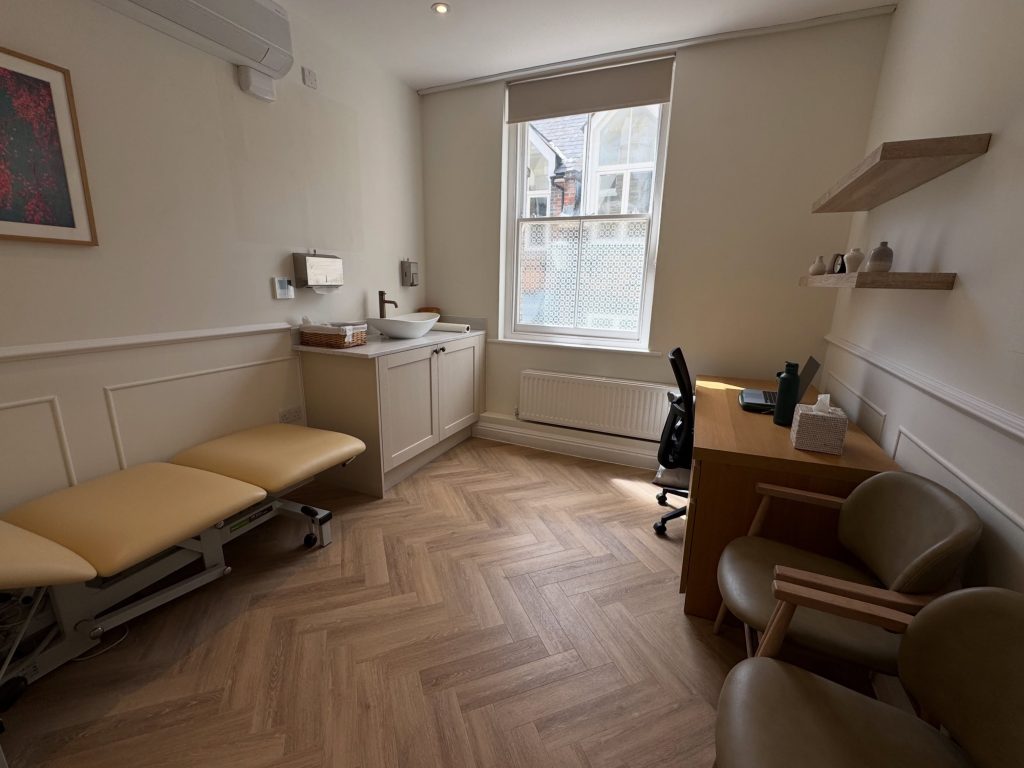
Inside the clinic
A calm, private space
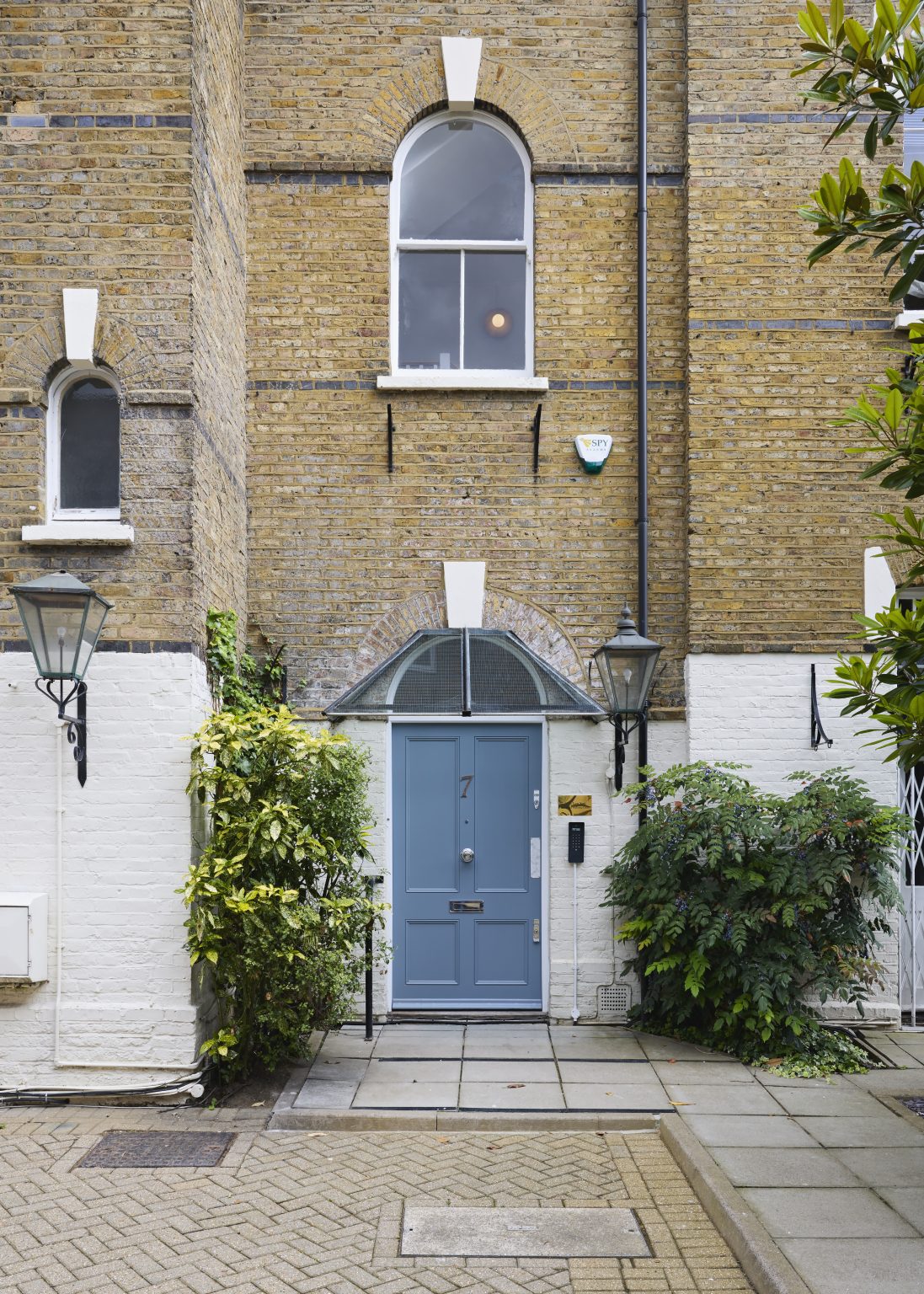
Liv Physio is ideally situated in the heart of Clapham, London, nestled between the green expanse of Clapham Common and the boutiques of Abbeville Village.
Our clinic at Lion Yard has been designed to feel calm and welcoming from the moment you arrive, with a bright reception, a comfortable waiting area and a private treatment room.
It is a space where you can relax, take your time and talk openly about anything, however personal.



Find us
Clinic location
AddressLiv Physio, 7 Lion Yard, Tremadoc Road, Clapham, London SW4 7NQ
Appointment hoursMonday to Friday, 8am to 6pm
All visits are by appointment only, so please book before coming to the clinic.
Vulvodynia FAQs
- What is vulvodynia?
Vulvodynia is ongoing pain in the vulva, lasting at least three months, without another clear cause such as an infection or skin condition. It’s often described as burning, stinging or soreness.
- Is vulvodynia the same as vestibulodynia?
Vestibulodynia is a type of vulvodynia where pain is felt around the entrance to the vagina (the vestibule), usually triggered by touch or pressure. It’s the most common form.
- Can vulvodynia be cured?
Vulvodynia can be managed and often improves significantly with the right combination of treatments, though it’s usually a gradual process. Many women go on to have much less pain and enjoy sex again.
- Do I have to have an internal examination?
No. It’s always your choice, and Olivia can still assess and treat you without one.
- Will I have to talk about my sex life?
Only as much as you want to. Olivia will ask questions that help her understand your symptoms, but you never have to share anything you’re not comfortable with.
- Do I need a GP referral?
No. You can book directly with Liv Physio. We’d also recommend seeing your GP, so other causes of vulval pain can be ruled out.
- When should I see someone about vulval pain?
If burning, soreness or pain in the vulva has lasted more than a few weeks, or is affecting sex, smear tests, exercise or daily life, it’s worth getting it assessed. Treatment can help at any stage.
What our patients say







What I’ve appreciated most is how comfortable and at ease she makes you feel. She is kind, understanding and non judgemental, which makes talking about things that can sometimes feel quite personal so much easier. She always takes the time to listen and explains everything clearly, and the exercises are tailored to what I feel comfortable with.
I’m really grateful for all her support and would definitely recommend Olivia to anyone looking for postnatal or pelvic floor support.





Free 15-Minute Initial Consultation Call
This complimentary consultation call is your chance to meet Olivia, discuss your goals, and see if she's the right fit for you. You'll learn about her approach, how physiotherapy can help your condition, and what to expect from sessions including treatment options and pricing.
Please note: No physical treatment, diagnosis or clinical assessment is provided during this consultation.
Get in Touch
We are always on hand to help with any queries you may have.
We suggest you use our contact form to get in touch so we can direct your query to the relevant person.
Call Us or WhatsApp Us
To speak to our specialist, please call us on 020 8058 0762
(our lines are open Monday – Sunday 8am to 8pm).
Stay Connected
Stay updated by following us on our social channels. Links are provided below to keep you connected.
Care you can trust
Why choose Liv Physio?
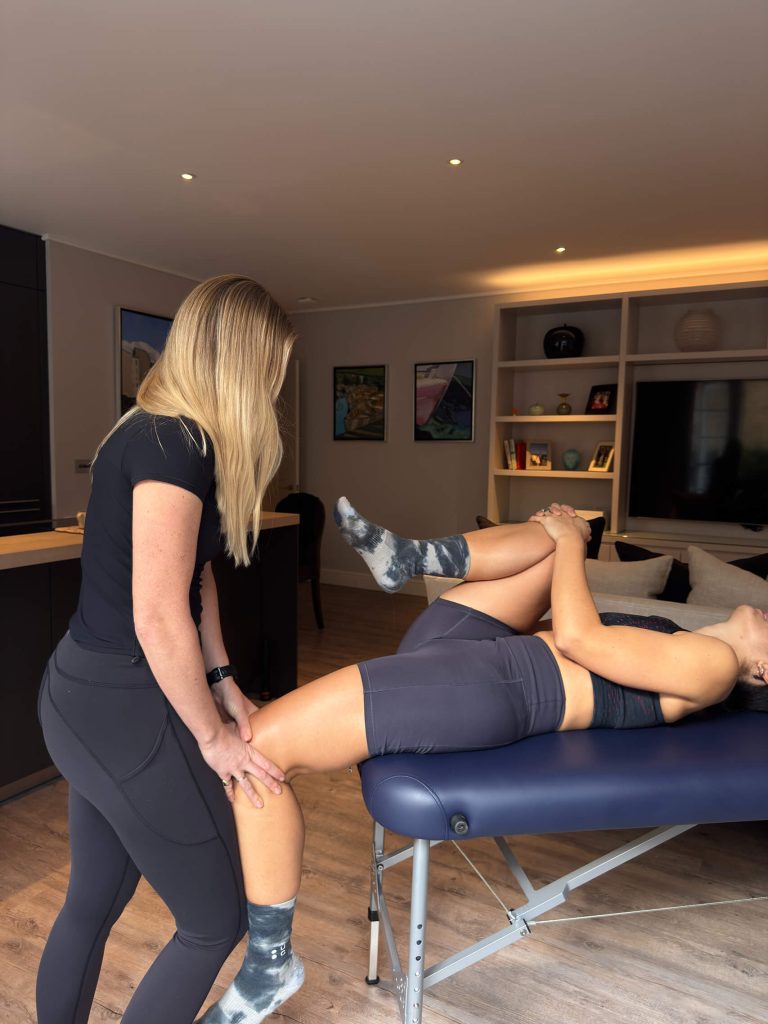
Choosing the right specialist makes all the difference. At Liv Physio, you’ll find expert, unhurried care in a calm and private clinic in Clapham, delivered with warmth and a genuine commitment to getting you the results you deserve.
Specialist care: Women’s health is our focus, not an add-on. Every appointment is with a chartered physiotherapist with advanced training in pelvic health.
Time to listen: Unhurried, one-to-one appointments, so we can understand the full picture and you never feel rushed.
A holistic approach: We look beyond your symptoms to the lifestyle, hormonal and day-to-day factors behind them, using evidence-based treatment.
A safe space: A calm, private, judgement-free clinic where you can talk openly about anything, however personal.