



Chronic Constipation Treatment in Clapham
Straining, feeling you haven’t fully emptied, or constipation that diet changes haven’t fixed? The pelvic floor is often part of the problem, and specialist physiotherapy can help. Olivia offers thorough, unhurried care at our Clapham clinic.

Understanding Chronic Constipation
At our Clapham clinic, Olivia treats chronic constipation and incomplete bowel emptying, especially when the pelvic floor is part of the problem. Pelvic floor physiotherapy can help you empty more easily, strain less and feel more comfortable, often when diet and fluids alone haven’t helped.
Signs and Symptoms of Constipation
Constipation isn’t just about how often you go. You may be constipated if you:
- Go less than three times a week, or less often than is usual for you
- Pass poo that is hard, dry or lumpy
- Need to strain or push hard to empty
- Feel you haven’t fully emptied, even straight after going
- Need to press around the vagina or perineum, or change position, to help a bowel movement
- Have bloating or tummy discomfort
Needing to press to empty can be a sign of a bowel prolapse (rectocele), which physiotherapy can also help with.
Common Causes of Constipation
Constipation usually has more than one cause. As well as diet, fluids and activity, the pelvic floor plays a bigger role than many people realise.
Pelvic floor dyssynergia
Also called dyssynergic defecation, this is when the pelvic floor muscles tighten instead of relaxing as you try to empty. It’s like trying to push through a closed door, and it often explains why constipation hasn’t improved with diet changes alone.
Pregnancy and after birth
Hormonal changes, iron supplements, pain relief and a sore or healing perineum all make constipation common in pregnancy and after birth. Postnatal physiotherapy can help you empty comfortably while you heal.
Menopause
Hormonal changes around perimenopause and menopause can affect bowel habits and pelvic floor function.
Diet, fluids and lifestyle
Not enough fibre or fluids, low activity, ignoring the urge to go, stress and some medicines, including certain painkillers, can all contribute.
After surgery
Pain relief, reduced movement and changes to the pelvic floor make constipation common after operations such as a hysterectomy.
How Physiotherapy Treats Constipation
Physiotherapy focuses on how your pelvic floor, breathing and tummy muscles work together when you empty. Your plan is tailored to you, but may include:
- Pelvic floor retraining: learning to relax the pelvic floor at the right moment, rather than tighten it
- Breathing and emptying technique: how to use your breath and tummy muscles to empty without straining
- Toilet position: setting you up so emptying is as easy as possible
- Bowel massage: abdominal massage techniques you can use at home to help move things along
- Bowel habits and diet advice: routine, fibre and fluids that support regular, comfortable bowel movements
Toilet Position and Self-Help Tips
The best toilet position
Sit with your feet on a low stool so your knees are higher than your hips, lean forward with your elbows on your knees and keep your back straight. This straightens the angle of the bowel and makes emptying easier, which is why the NHS recommends resting your feet on a stool.
Don’t strain
Relax your tummy and let it bulge gently forward as you breathe out, rather than holding your breath and pushing. Straining puts pressure on the pelvic floor over time.
Go when you feel the urge
Putting off the urge to go makes poo harder and drier. Many people find a regular time after breakfast works well.
Fibre, fluids and movement
Gradually increase fibre, drink plenty of fluids and stay active. If these haven’t helped, that’s often a sign the pelvic floor needs looking at.
What Happens at Your First Appointment
Your first appointment lasts 60 minutes and takes place in a private, judgement-free room at our Clapham clinic. Olivia will:
- Talk through your bowel habits, symptoms, diet, medical history and goals
- Assess your posture, breathing and how your tummy and pelvic floor work together
- With your consent, carry out an internal examination to assess how well your pelvic floor relaxes and coordinates. It’s always optional and fully explained beforehand
- Explain what she has found and agree a treatment plan with you
You may be asked to keep a short bowel diary, which helps show patterns and track progress.
How Long Does Treatment Take?
Many women notice easier, more comfortable emptying within a few weeks of starting treatment. Retraining a pelvic floor that has been tightening for a long time can take a few months, and Olivia will review your progress at each appointment.
When to See Your GP First
See your GP first if you have blood in your poo, have lost weight without trying, notice a sudden or lasting change in your bowel habits, feel extremely tired, or have severe tummy pain. Also speak to your GP if constipation isn’t improving with treatment, as some medicines and medical conditions can cause it. Olivia will refer you on if anything in your assessment needs medical review.
Meet Olivia, your Pelvic Floor physio
Chartered Women's Health & MSK Physiotherapist
Olivia Denman
Olivia founded Liv Physio to give women the specialist, unhurried care they deserve, especially those who have felt overlooked by the healthcare system. She is Master’s-qualified, with five years of experience across the NHS and private practice.
She specialises in pelvic floor and urogynaecological conditions, including prolapse, incontinence and pelvic pain, alongside pre- and postnatal care, with advanced training through the POGP. Every appointment is one-to-one, in a safe, judgement-free space where you’ll be truly listened to.
Registered and accredited






Pricing & Appointments
Single Session Initial appointments & follow-ups
A one-to-one, 60-minute appointment with Olivia at our Clapham clinic. Your session includes a thorough assessment, hands-on treatment and a personalised plan, with exercises to continue at home between appointments.
The Clapham Clinic
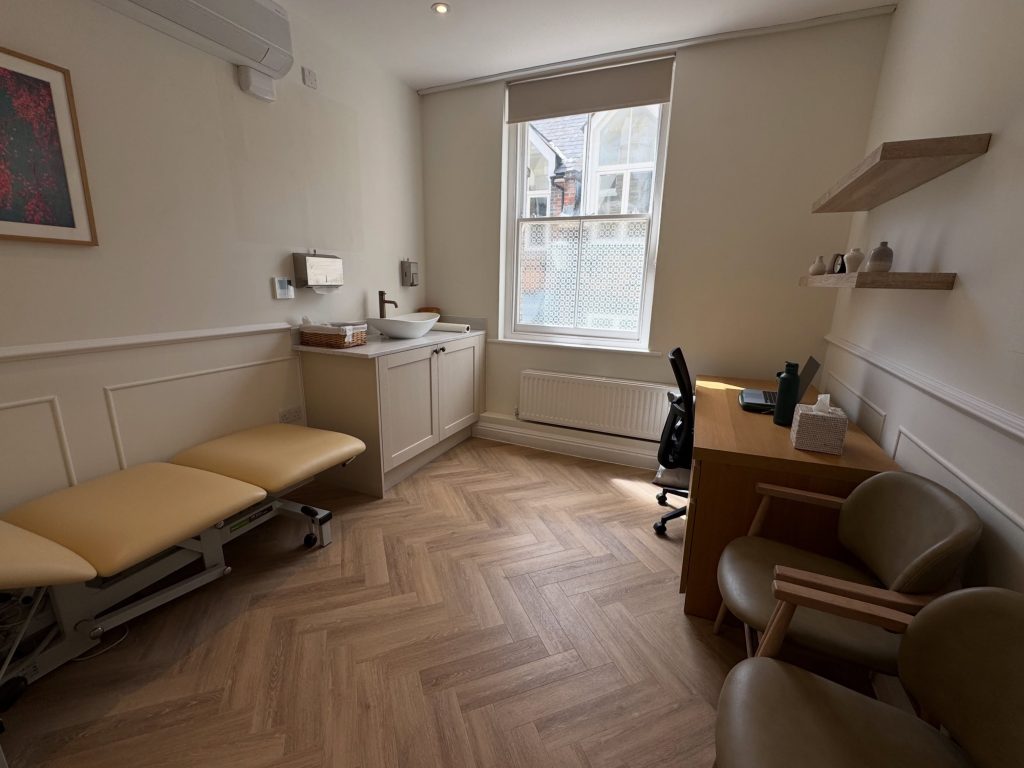
Inside the clinic
A calm, private space
Liv Physio is ideally situated in the heart of Clapham, London, nestled between the green expanse of Clapham Common and the boutiques of Abbeville Village.
Our clinic at Lion Yard has been designed to feel calm and welcoming from the moment you arrive, with a bright reception, a comfortable waiting area and a private treatment room.
It is a space where you can relax, take your time and talk openly about anything, however personal.




Find us
Clinic location
AddressLiv Physio, 7 Lion Yard, Tremadoc Road, Clapham, London SW4 7NQ
Appointment hoursMonday to Friday, 8am to 6pm
All visits are by appointment only, so please book before coming to the clinic.
Constipation FAQs
- What is incomplete bowel emptying?
Incomplete bowel emptying is the feeling that you haven’t fully emptied your bowels, even straight after going. It’s a common sign of pelvic floor dysfunction and can happen whether or not you’re constipated in the usual sense.
- Is incomplete bowel emptying the same as constipation?
Not exactly. Constipation usually means going less often or finding poo hard to pass, while incomplete emptying is the feeling of not being finished. The two often happen together, and both can be linked to the pelvic floor.
- Can physiotherapy help with constipation after birth?
Yes. Constipation after birth is very common, and physiotherapy can help with toilet position, breathing and protecting a healing perineum, so you can empty comfortably without straining.
- Are bowel symptoms linked to other pelvic floor problems?
Often, yes. The pelvic floor supports the bladder, vagina and bowel together, so constipation can come alongside bladder symptoms, pelvic pain or a feeling of pressure. Treating the pelvic floor as a whole can improve several symptoms at once.
- Do I have to have an internal examination?
No. It gives the most accurate picture of how your pelvic floor is working, but it’s always your choice. Olivia can still assess and treat you without one.
- Do I need a GP referral?
No. You can book directly with Liv Physio. Olivia will carry out a thorough assessment and let you know if anything means you should also see your GP.
- When should I see someone about constipation?
If straining, incomplete emptying or ongoing constipation is affecting your daily life, it’s worth booking an assessment, especially if diet and fluid changes haven’t helped.
What our patients say







What I’ve appreciated most is how comfortable and at ease she makes you feel. She is kind, understanding and non judgemental, which makes talking about things that can sometimes feel quite personal so much easier. She always takes the time to listen and explains everything clearly, and the exercises are tailored to what I feel comfortable with.
I’m really grateful for all her support and would definitely recommend Olivia to anyone looking for postnatal or pelvic floor support.





Free 15-Minute Initial Consultation Call
This complimentary consultation call is your chance to meet Olivia, discuss your goals, and see if she's the right fit for you. You'll learn about her approach, how physiotherapy can help your condition, and what to expect from sessions including treatment options and pricing.
Please note: No physical treatment, diagnosis or clinical assessment is provided during this consultation.
Get in Touch
We are always on hand to help with any queries you may have.
We suggest you use our contact form to get in touch so we can direct your query to the relevant person.
Call Us or WhatsApp Us
To speak to our specialist, please call us on 020 8058 0762
(our lines are open Monday – Sunday 8am to 8pm).
Stay Connected
Stay updated by following us on our social channels. Links are provided below to keep you connected.
Care you can trust
Why choose Liv Physio?
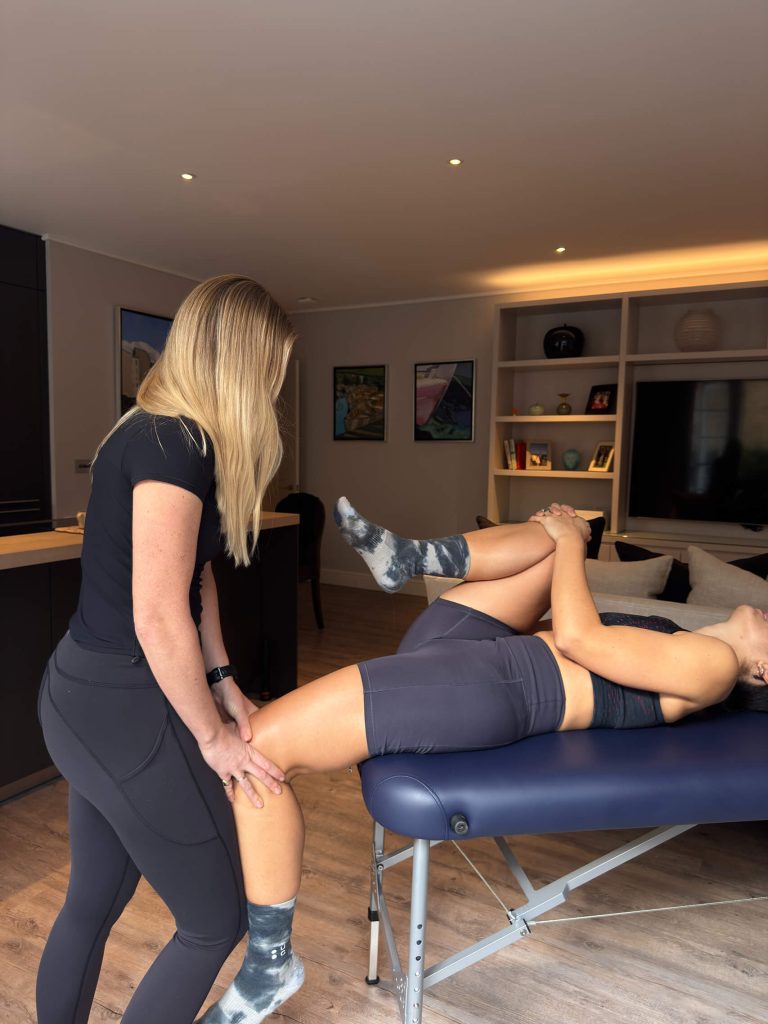
Choosing the right specialist makes all the difference. At Liv Physio, you’ll find expert, unhurried care in a calm and private clinic in Clapham, delivered with warmth and a genuine commitment to getting you the results you deserve.
Specialist care: Women’s health is our focus, not an add-on. Every appointment is with a chartered physiotherapist with advanced training in pelvic health.
Time to listen: Unhurried, one-to-one appointments, so we can understand the full picture and you never feel rushed.
A holistic approach: We look beyond your symptoms to the lifestyle, hormonal and day-to-day factors behind them, using evidence-based treatment.
A safe space: A calm, private, judgement-free clinic where you can talk openly about anything, however personal.