



Postnatal Physiotherapy Clapham
Liv Physio offers specialist postnatal physiotherapy in London, supporting you through every stage of pregnancy and beyond. From managing pelvic floor health and pelvic pain during pregnancy, to postpartum recovery and rebuilding strength after birth, our personalised approach helps you feel confident and comfortable in your body.
Postnatal Physiotherapy Conditions and Treatments
The weeks and months after birth bring significant physical change, and recovery looks different for every woman. Our postnatal physiotherapy service provides personalised, evidence-based care to support your body as it heals and rebuilds — whether you’ve had a vaginal birth, perineal tear, episiotomy, or caesarean section. With a compassionate and thorough approach, our aim is to help you feel understood, regain control of your body, and move forward with confidence.
Diastasis Recti (Tummy Gap)
Diastasis recti occurs when the connective tissue running along the midline of the abdomen stretches and widens during pregnancy, causing the two sides of the abdominal muscles to separate. This can result in a visible doming or “pouch” along the stomach, as well as core weakness, lower back pain, and a feeling of instability. Severity varies, and many women are unaware they have it — yet it can affect how well the entire core and pelvic floor system functions.
Pelvic Girdle Pain
Pelvic girdle pain (PGP) is one of the most common musculoskeletal complaints during and after pregnancy, caused by changes in load, posture, and the softening effect of relaxin on the ligaments that support the pelvis. It can present as pain in the pubic area, hips, lower back, or tailbone, and is often felt most acutely when walking, climbing stairs, turning in bed, or standing on one leg. While PGP typically eases after birth, for many women symptoms persist and can significantly impact daily life if left unaddressed.
Perineal Tears
Perineal tears are extremely common during vaginal birth, ranging from minor grazes to deeper tears requiring stitches. Even once the initial wound has healed, the surrounding tissue, muscles, and nerves can remain sensitive, tight, or painful — affecting comfort during everyday activities, exercise, and sexual intercourse. Scar tissue can also restrict movement and contribute to ongoing pelvic floor dysfunction if not properly rehabilitated. With the right care, perineal pain and scarring respond very well to treatment.
C Sections
A caesarean section is a major abdominal surgery, and while it is common, recovery requires time and careful rehabilitation. The scar itself can become tight, numb, or hypersensitive as it heals, and deeper layers of tissue can form adhesions that affect surrounding structures including the bladder, pelvic floor, and core muscles. Many women also experience a “shelf” or overhang above the scar due to changes in tissue mobility. Addressing the scar and rebuilding core and pelvic floor function after a C-section is an important but often overlooked part of postnatal recovery.
Tailbone Pain
Tailbone (coccyx) pain after birth is more common than many women realise, and can occur as a result of pressure during delivery, an instrumental birth, or a fall during pregnancy. It can make sitting, moving from sitting to standing, and everyday activities deeply uncomfortable. The coccyx is closely connected to the pelvic floor muscles and surrounding ligaments, meaning that tailbone pain can also influence pelvic floor tension and function. With targeted manual therapy and rehabilitation, coccyx pain can be significantly reduced and in many cases fully resolved.
Back Pain
Back pain is one of the most frequently reported complaints both during and after pregnancy, driven by changes in posture, weight distribution, and the significant demands placed on the spine and surrounding muscles. After birth, the challenge often continues — feeding, carrying, lifting, and broken sleep can all contribute to persistent tension and discomfort in the lower and upper back. What many women don’t realise is that back pain in the postnatal period is frequently linked to poor core and pelvic floor function, meaning that addressing the root cause rather than the symptom alone is key to lasting relief.
Pelvic Floor Dysfunction
Pelvic floor dysfunction is one of the most common consequences of pregnancy and birth, yet it remains widely under-reported — largely because many women assume that leaking, heaviness, or urgency are an inevitable part of having a baby. The pelvic floor supports the bladder, uterus, and bowel, and can be significantly stretched or weakened during pregnancy and delivery, leading to urinary or faecal leaking, a sudden urgent need to use the toilet, a sensation of heaviness or bulging in the pelvis, or reduced sensation in the pelvic region. These symptoms are common — but they are not normal, and with the right treatment, most women see significant improvement.
SIJ & Hip Pain
The sacroiliac joints (SIJ) sit at the junction between the spine and the pelvis, and are placed under considerable stress during pregnancy and childbirth. Hormonal changes, altered posture, and the physical demands of delivery can leave these joints feeling unstable, stiff, or painful — often presenting as a deep ache in the lower back, buttocks, or hips that worsens with prolonged standing, walking, or transitional movements. Hip pain is also frequently reported in the postnatal period, as the muscles and ligaments that support the joint work harder to compensate for core and pelvic floor weakness. Addressing both the local joint and the wider stability system is essential for effective and lasting recovery.
Posture
The demands of new motherhood — feeding, carrying, lifting, and settling a baby — place repetitive strain on the body in ways that can quickly take a toll on posture. Many women find themselves spending long hours in a rounded, forward-flexed position, leading to tightness across the chest and shoulders, weakness in the upper back, and increased strain on the neck and lower spine. Over time, poor posture can contribute to persistent aches and pain that feel difficult to shift. Postnatal physiotherapy addresses not only the symptoms but the underlying muscle imbalances and habits that drive postural change, helping you move and feel better in your body day to day.
De Quervain's Tenosynovitis (Wrist & Thumb Pain)
De Quervain’s tenosynovitis is a condition affecting the tendons on the thumb side of the wrist, and is surprisingly common in new mothers due to the repetitive lifting, carrying, and supporting of a newborn. It presents as pain, swelling, and tenderness at the base of the thumb and wrist, and can make everyday tasks such as picking up your baby, gripping, or turning door handles increasingly difficult. The condition is thought to be influenced by the hormonal changes of the postnatal period, which can affect tendon tissue and increase susceptibility to irritation. With the right treatment and load management, symptoms can be effectively resolved without impacting your ability to care for your baby.
Pelvic Organ Prolapse
Pelvic organ prolapse occurs when one or more of the pelvic organs — the bladder, uterus, or bowel — descend from their normal position and press into the vaginal wall. It is more common than many women realise, and often develops as a result of the pressure and stretching placed on the pelvic floor during pregnancy and childbirth. It typically presents as a sensation of heaviness, dragging, or bulging in the pelvis, and some women describe the feeling of something coming down or sitting low. Symptoms can be aggravated by prolonged standing, lifting, or physical activity. While prolapse can feel alarming, physiotherapy is an effective first-line treatment — pelvic floor rehabilitation can significantly reduce symptoms and, in many cases, prevent the need for surgical intervention.
Diastasis Recti (Tummy Gap)
Diastasis recti occurs when the connective tissue running along the midline of the abdomen stretches and widens during pregnancy, causing the two sides of the abdominal muscles to separate. This can result in a visible doming or “pouch” along the stomach, as well as core weakness, lower back pain, and a feeling of instability. Severity varies, and many women are unaware they have it — yet it can affect how well the entire core and pelvic floor system functions.
Pelvic Girdle Pain
Pelvic girdle pain (PGP) is one of the most common musculoskeletal complaints during and after pregnancy, caused by changes in load, posture, and the softening effect of relaxin on the ligaments that support the pelvis. It can present as pain in the pubic area, hips, lower back, or tailbone, and is often felt most acutely when walking, climbing stairs, turning in bed, or standing on one leg. While PGP typically eases after birth, for many women symptoms persist and can significantly impact daily life if left unaddressed.
Perineal Tears
Perineal tears are extremely common during vaginal birth, ranging from minor grazes to deeper tears requiring stitches. Even once the initial wound has healed, the surrounding tissue, muscles, and nerves can remain sensitive, tight, or painful — affecting comfort during everyday activities, exercise, and sexual intercourse. Scar tissue can also restrict movement and contribute to ongoing pelvic floor dysfunction if not properly rehabilitated. With the right care, perineal pain and scarring respond very well to treatment.
C Sections
A caesarean section is a major abdominal surgery, and while it is common, recovery requires time and careful rehabilitation. The scar itself can become tight, numb, or hypersensitive as it heals, and deeper layers of tissue can form adhesions that affect surrounding structures including the bladder, pelvic floor, and core muscles. Many women also experience a “shelf” or overhang above the scar due to changes in tissue mobility. Addressing the scar and rebuilding core and pelvic floor function after a C-section is an important but often overlooked part of postnatal recovery.
Tailbone Pain
Tailbone (coccyx) pain after birth is more common than many women realise, and can occur as a result of pressure during delivery, an instrumental birth, or a fall during pregnancy. It can make sitting, moving from sitting to standing, and everyday activities deeply uncomfortable. The coccyx is closely connected to the pelvic floor muscles and surrounding ligaments, meaning that tailbone pain can also influence pelvic floor tension and function. With targeted manual therapy and rehabilitation, coccyx pain can be significantly reduced and in many cases fully resolved.
Back Pain
Back pain is one of the most frequently reported complaints both during and after pregnancy, driven by changes in posture, weight distribution, and the significant demands placed on the spine and surrounding muscles. After birth, the challenge often continues — feeding, carrying, lifting, and broken sleep can all contribute to persistent tension and discomfort in the lower and upper back. What many women don’t realise is that back pain in the postnatal period is frequently linked to poor core and pelvic floor function, meaning that addressing the root cause rather than the symptom alone is key to lasting relief.
Pelvic Floor Dysfunction
Pelvic floor dysfunction is one of the most common consequences of pregnancy and birth, yet it remains widely under-reported — largely because many women assume that leaking, heaviness, or urgency are an inevitable part of having a baby. The pelvic floor supports the bladder, uterus, and bowel, and can be significantly stretched or weakened during pregnancy and delivery, leading to urinary or faecal leaking, a sudden urgent need to use the toilet, a sensation of heaviness or bulging in the pelvis, or reduced sensation in the pelvic region. These symptoms are common — but they are not normal, and with the right treatment, most women see significant improvement.
SIJ & Hip Pain
The sacroiliac joints (SIJ) sit at the junction between the spine and the pelvis, and are placed under considerable stress during pregnancy and childbirth. Hormonal changes, altered posture, and the physical demands of delivery can leave these joints feeling unstable, stiff, or painful — often presenting as a deep ache in the lower back, buttocks, or hips that worsens with prolonged standing, walking, or transitional movements. Hip pain is also frequently reported in the postnatal period, as the muscles and ligaments that support the joint work harder to compensate for core and pelvic floor weakness. Addressing both the local joint and the wider stability system is essential for effective and lasting recovery.
Posture
The demands of new motherhood — feeding, carrying, lifting, and settling a baby — place repetitive strain on the body in ways that can quickly take a toll on posture. Many women find themselves spending long hours in a rounded, forward-flexed position, leading to tightness across the chest and shoulders, weakness in the upper back, and increased strain on the neck and lower spine. Over time, poor posture can contribute to persistent aches and pain that feel difficult to shift. Postnatal physiotherapy addresses not only the symptoms but the underlying muscle imbalances and habits that drive postural change, helping you move and feel better in your body day to day.
De Quervain's Tenosynovitis (Wrist & Thumb Pain)
De Quervain’s tenosynovitis is a condition affecting the tendons on the thumb side of the wrist, and is surprisingly common in new mothers due to the repetitive lifting, carrying, and supporting of a newborn. It presents as pain, swelling, and tenderness at the base of the thumb and wrist, and can make everyday tasks such as picking up your baby, gripping, or turning door handles increasingly difficult. The condition is thought to be influenced by the hormonal changes of the postnatal period, which can affect tendon tissue and increase susceptibility to irritation. With the right treatment and load management, symptoms can be effectively resolved without impacting your ability to care for your baby.
Pelvic Organ Prolapse
Pelvic organ prolapse occurs when one or more of the pelvic organs — the bladder, uterus, or bowel — descend from their normal position and press into the vaginal wall. It is more common than many women realise, and often develops as a result of the pressure and stretching placed on the pelvic floor during pregnancy and childbirth. It typically presents as a sensation of heaviness, dragging, or bulging in the pelvis, and some women describe the feeling of something coming down or sitting low. Symptoms can be aggravated by prolonged standing, lifting, or physical activity. While prolapse can feel alarming, physiotherapy is an effective first-line treatment — pelvic floor rehabilitation can significantly reduce symptoms and, in many cases, prevent the need for surgical intervention.

Meet Olivia, your Pelvic Floor physio
Olivia has built her practice with one goal in mind — to provide the exceptional, personalised care that women deserve, particularly those who have felt overlooked by the healthcare system.
With advanced certifications from the POGP and the Mummy MOT programme, she brings expert-level knowledge in pelvic floor dysfunction and prolapse, taking a holistic approach that recognises how hormones, lifestyle, and interconnected body systems shape your experience — with every treatment plan individually tailored and focused on long-term results.
You’ll find a safe, judgement-free space and a clinician who will truly listen.
Pricing & appointment options

Clinic Appointments
Appointments take place at our Clapham Common clinic, in a calm and welcoming setting. Each appointment provides time for thorough assessment, diagnosis and an individualised treatment plan.
60 minutes
£150
90 minutes
£200

Home Appointments
Home visits include up to 30 minutes travel each way, with longer journeys priced on request. Each appointment provides time for thorough assessment, diagnosis and an individualised treatment plan.
60 minutes
£200
90 minutes
£250

Virtual Appointments
Online sessions are ideal for follow-ups, exercise progression and ongoing support from home. Sessions are interactive, personalised and focused on helping you achieve your goals.
30 minutes
£60
60 minutes
£100
The Clapham Clinic
Liv Physio is ideally situated in the heart of Clapham, London, nestled between the green expanse of Clapham Common and the boutiques of Abbeville Village.

Frequently Asked Questions
- When should I start postnatal physiotherapy?
Most women benefit from an initial assessment at around 6–12 weeks postpartum, once the body has had some time to begin its natural recovery. However, if you are experiencing significant pain, discomfort, or concerns before this point, it is worth seeking advice sooner. There is also no upper time limit — many women seek postnatal physiotherapy months or even years after giving birth and still achieve excellent results.
- What can I expect from a postnatal physiotherapy session?
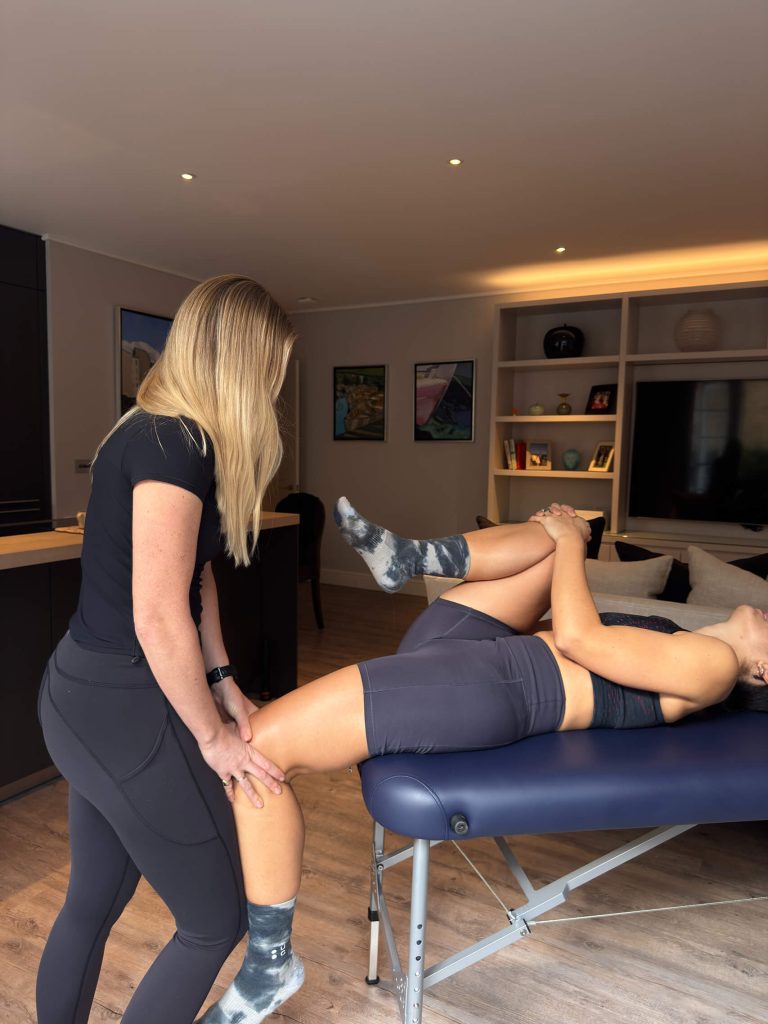
Your first session will typically begin with a detailed discussion of your birth experience, current symptoms, and goals. A physical assessment will follow, which may include an internal pelvic floor examination if appropriate and consented to. From this, your physiotherapist will develop a personalised treatment plan, which may include exercise prescription, manual therapy, education, and guidance on returning to activity.
- Who can benefit from postnatal physiotherapy?
Any woman who has been pregnant or given birth can benefit, regardless of whether the birth was vaginal or by caesarean, straightforward or complicated. You do not need to be experiencing obvious symptoms — many women find a postnatal assessment helpful simply to understand how their body has changed and to ensure they are recovering well.
- What types of issues can postnatal physiotherapy help with?
Postnatal physiotherapy can address a wide range of concerns including pelvic floor dysfunction, urinary or faecal incontinence, pelvic organ prolapse, diastasis recti (abdominal muscle separation), back and pelvic girdle pain, C-section or perineal scar discomfort, poor posture, and guidance on safely returning to exercise or sport.
- Is it safe to have postnatal physiotherapy after a C-section?
Yes. Postnatal physiotherapy is not only safe following a caesarean, it is strongly recommended. C-section recovery involves healing from major abdominal surgery, which can affect core function, posture, and scar tissue. A physiotherapist can support your recovery with appropriate exercise, scar massage techniques, and guidance on gradually returning to daily activities.
- How many sessions will I need?
This varies depending on your individual circumstances, symptoms, and goals. Some women find that two or three sessions provide all the guidance and support they need, while others benefit from a longer programme of care. Your physiotherapist will give you a realistic expectation of timescales at your initial assessment and review your progress as you go.
What our patients say




Free 15-Minute Initial Consultation Call
This complimentary consultation call is your chance to meet Olivia, discuss your goals, and see if she’s the right fit for you. You’ll learn about her approach, how physiotherapy can help your condition, and what to expect from sessions including treatment options and pricing.
Please note: No physical treatment, diagnosis or clinical assessment is provided during this consultation.
Get in Touch
We are always on hand to help with any queries you may have.
We suggest you use our contact form to get in touch so we can direct your query to the relevant person.
Call Us or WhatsApp Us
To speak to our specialist, please call us on 020 8058 0762
(our lines are open Monday – Sunday 8am to 8pm).
Stay Connected
Stay updated by following us on our social channels. Links are provided below to keep you connected.
Care you can trust



Why choose Liv Physio?
Choosing the right specialist makes all the difference. At Liv Physio, you’ll find expert care delivered with warmth, professionalism, and a genuine commitment to getting you the results you deserve.
Female-focused expertise: Olivia specialises exclusively in women’s health, with advanced training that goes far beyond standard physiotherapy.
Care that comes to you: We offer a convenient home visit service alongside a warm, welcoming clinic environment, so you can choose what works best for you.
Your care, your way: No rushed appointments, no generic advice. Every treatment plan is tailored specifically to you, your symptoms, and your goals.
The latest techniques: From pelvic floor rehabilitation to manual therapy and pain management, Olivia uses cutting-edge, evidence-based approaches for effective, sustainable relief.